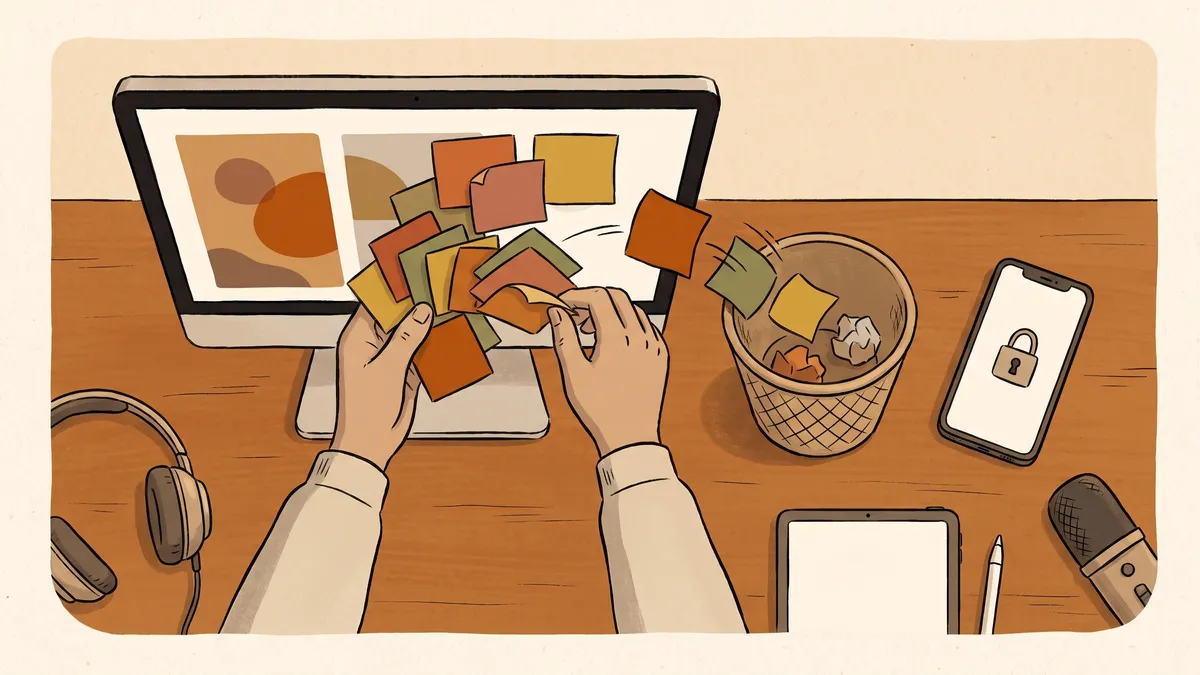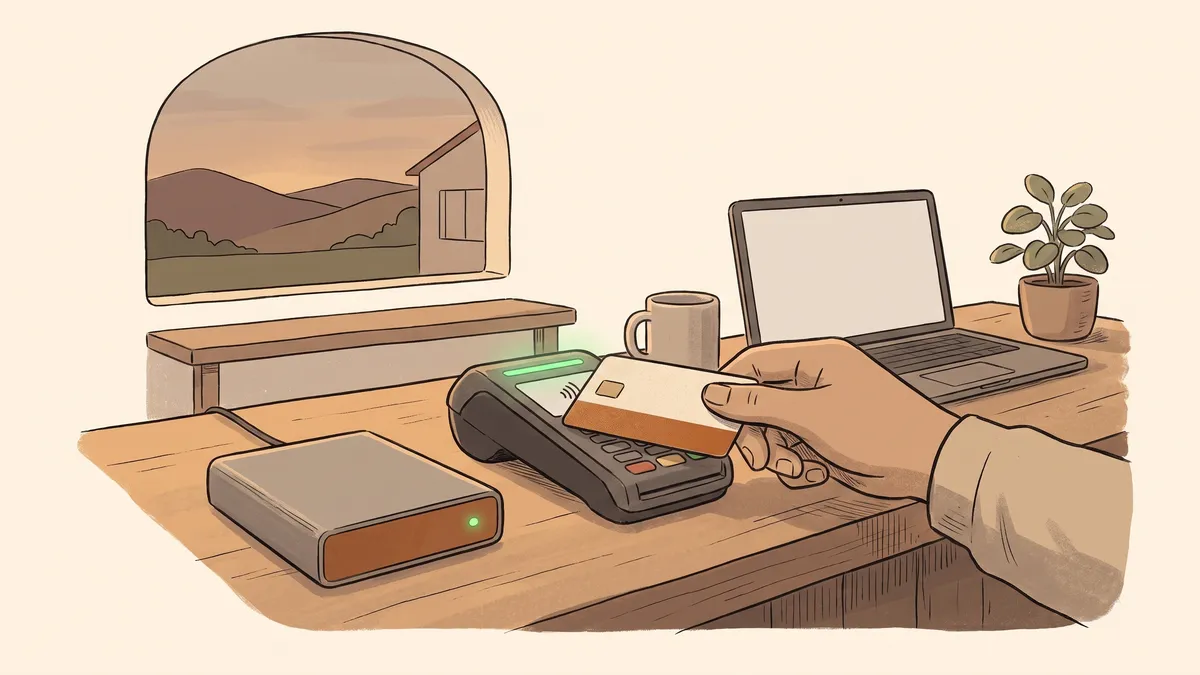
The card reader doesn’t say the internet is down. It says “processing,” then it says it again, and the customer puts the card back in their wallet while the line behind them gets one person longer. Somebody flips the modem off and on. Somebody else tapes a CASH ONLY sign to the counter, and a Saturday afternoon quietly becomes the cheapest one of the month.
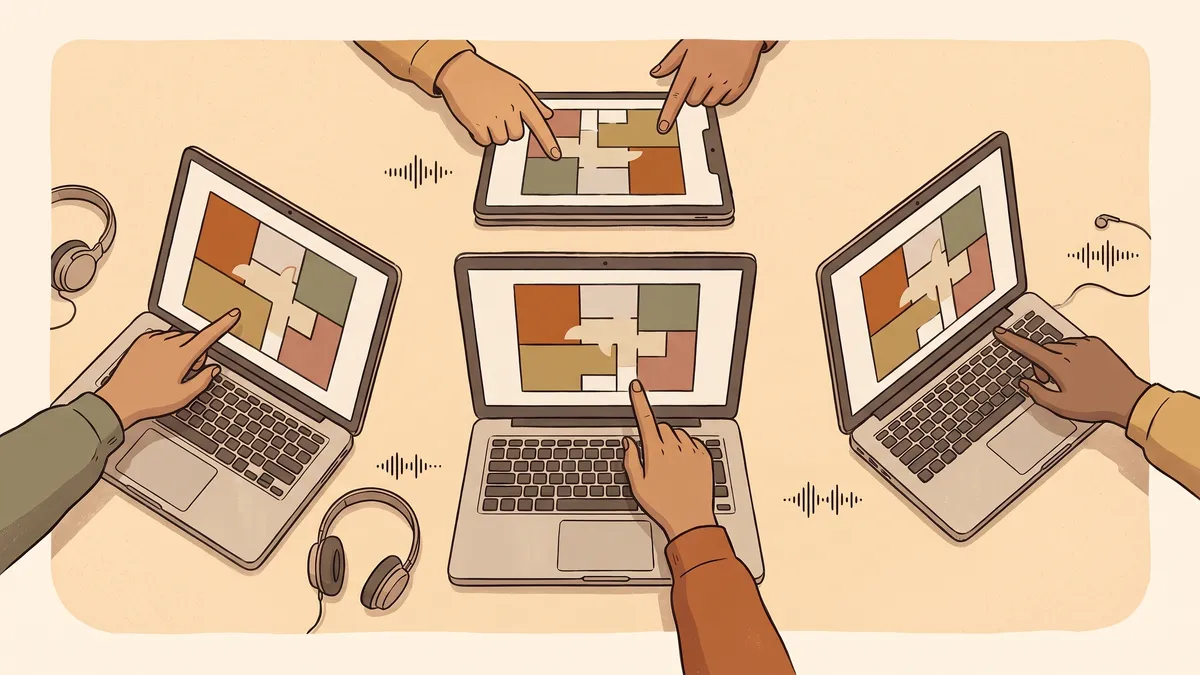
Nobody thinks of their shop as an internet business. But look at what just stopped: the card reader, the register software, the bookkeeping, the schedule, and if your phone number lives in the internet now, the phones too. Over the years, one piece at a time, the whole business moved onto a single wire coming into the building. The wire didn’t get any more reliable to match.
- Payments, phones, and books all ride one connection now. When it drops, the business drops with it, not just the browsing.
- A backup connection, cellular or satellite, costs less per month than one lost afternoon at the counter.
- The switch has to be automatic. A router that fails over by itself turns an outage into a blip nobody notices.
- Test it before the outage does. An untested backup is a guess, same as an untested backup of your files.
Everything Moved Onto One Wire
It happened the way these things always happen: gradually, and for good reasons. The card terminal stopped dialing out years ago and started using the network. The register became software. The accounting moved to the cloud, the security cameras started uploading, the music comes from a streaming account, and the phone system, if it’s a modern one, rides the same line. Each move made the business better.
It also means “the internet is down” no longer means what it meant in 2012. Back then you lost email for an hour. Now you lose the ability to take money.
And around here, the outage is not a hypothetical. Lines get trenched, weather happens, and some of us are a long way from the nearest technician. When a connection in town goes down, the fix is measured in hours if you’re lucky and days if you’re not. That math is very different when the connection is your cash register.
One distinction before we go further: this is not about your wi-fi. The network inside your walls can be perfect and the business still stops if the line feeding it goes dark. (If the inside part is also shaky, start there; this post is about the wire coming into the building.)
A Second Way Out of the Building
The fix is old thinking applied to a new utility: don’t depend on one of anything you can’t operate without. For an internet connection, a second line is cheaper and easier than most owners expect.
A cellular backup is the usual answer. It’s a small router, or a slot in the router you already need, holding a SIM card like the one in your phone. It sits idle most of the year and costs a modest monthly fee for the privilege. When the main line dies, traffic moves to cell service. It might be slower, and nobody streams video over it, but card payments and phone calls are tiny amounts of data. Slower internet at the counter beats a cash-only sign every time.
Satellite fills the gap where cell coverage is thin, which describes plenty of Eastern Washington. A satellite dish as the backup (or in some places, the primary) is a real option now, not a novelty.
A second wired provider works too, where a second one actually exists and enters the building by a different path. In a lot of small towns it doesn’t, which is exactly why the first two options matter.
The Switch Has to Happen by Itself
Here is the part that separates a backup plan from a backup drawer: nobody should have to notice the outage for the backup to kick in.
A router built for this holds both connections at once and quietly checks the main line every few seconds. When the line stops answering, the router moves everything to the backup on its own, usually fast enough that a card transaction mid-swipe just takes a beat longer. When the main line comes back, it moves everything home again. The industry word for this is failover, and the meaning is exactly what it sounds like: when one fails, it falls over onto the other.
Compare that to the manual version, which is what most businesses actually have: someone notices the card reader spinning, reboots the modem twice, digs out a phone to use as a hotspot, and reads a wi-fi password aloud across the shop while customers wait. That’s not a backup plan. That’s improvising in front of an audience.
Two smaller pieces round it out. Put the modem and router on a small battery unit, because around here power doesn’t always go out, it flickers, and a two-second flicker takes the network down for five minutes of rebooting unless something carries it through. And know your offline mode: some card systems can store transactions during an outage and run them later, which is useful to have configured and dangerous to lean on, since a declined card surfaces only after the customer is gone.
Pick a quiet morning and unplug the main line on purpose. Watch what happens. Do the cards still run? Do the phones still ring? Does anyone have to touch anything? If the thought of that test makes you nervous, that’s the answer, and it’s the same rule we apply to backups of your data: untested means unknown.
We Set These Up
Connection failover is part of the everyday plumbing we look after for clients, alongside networks, backups, phones, and the rest of managed IT. We look at what your business actually runs over the wire, pick a backup that makes sense for your location (cellular where the signal is good, satellite where it isn’t), set up the router so the switch is automatic in both directions, put the network gear on battery, and test the whole thing with you watching. Then we test it again occasionally, because a backup that only worked on installation day is a story, not a system.
One wire and hope
- Everything in the business rides a single connection
- An outage means cash only and a dark phone line
- The plan is rebooting the modem and waiting
- A hotspot scramble in front of customers
- You find out what broke when the line at the counter does
A connection with a plan B
- A second line sits ready: cellular or satellite
- The router switches over by itself in seconds, and back again
- Cards keep running and the phones keep ringing
- Power flickers ride through on battery
- You learn about outages from a notification, not from customers
If one wire can stop your whole business, get in touch. We will look at what you’re running on it and set up a backup connection that takes over before your customers ever notice.