Somewhere in Eastern Washington right now, a business is losing a job because the only person who can answer the phone is up a ladder.
Nobody designed it that way. The business started with the owner’s cell phone, because that was the obvious thing to do. Then it grew. Now that one phone is the sales line, the scheduling desk, and the complaints department, and when it rings during dinner or dies in a truck seat, the business goes quiet. The town version of this story is a desk phone in the clerk’s office that only rings at the desk, three mornings a week.
Meanwhile the number is published everywhere: the website, the Google listing, the side of the van. And here is the part most people never find out. Customers are texting that number. If it is a landline, those texts go nowhere. No error, no bounce, no voicemail. The customer thinks they reached out and got ignored.
- A modern business phone number lives in the internet, not in a wire or a single handset, so calls can ring the desk, the computer, and a cell app at once.
- Texting is not optional anymore. Customers already text the number you publish; the question is whether anyone sees it.
- The biggest upgrade is a shared dashboard in the browser: every call, voicemail, and text conversation in one place the whole team can see and answer.
- Your existing number comes with you. Moving to a system like this does not mean reprinting anything.
The Setup Nobody Chose
Phone setups are rarely decided. They accumulate. A personal cell here, an old wall phone there, a voicemail box that filled up in 2021. Each piece made sense when it was added, and the sum is a business where calls land on whoever happens to hold the phone, messages live in one person’s pocket, and nobody can say for certain whether that customer from Tuesday ever got a call back.
That last part is the expensive part. Missed calls are visible. Missed follow-ups are invisible, and they cost more.
A Phone Number That Lives in the Internet
The fix is a phone system that runs over your internet connection instead of a copper line. It is usually sold under the name VoIP, which sounds technical but means something simple: your number stops being tied to a physical wire or a single device and becomes a service, like your email.
Once the number lives there, everything gets flexible. An incoming call can ring the front counter, a laptop, and two cell phones at the same time, and whoever is free picks up. The person in the truck answers from an app that shows the call came to the business line, so they answer it like a business. After hours, calls can route to voicemail, an on-call person, or a recorded message with real information in it.
You keep your existing number; it gets moved over, a routine process called porting. The honest requirement is a reliable internet connection, because the phones are only as good as what they run on. (If yours drops out weekly, start with why your wi-fi keeps failing and fix that first.)
Your Customers Are Already Texting You
For a growing share of your customers, texting is not the casual channel, it is the default one. They would rather send “do you have this in stock” or a photo of the leaking pipe than sit on hold. So they text the number you publish, and if that number cannot receive texts, you never know what you lost.
A modern system makes your main business number textable. That changes more than you would expect:
Confirmations and reminders. “You’re on the schedule for Thursday at 9” gets read within minutes, where a voicemail might not get heard all day.
Photos, both directions. The customer sends a picture of the problem; you send a picture of the part, the finished work, or the invoice.
Short answers that end phone tag. Hours, pricing, “yes we can do that”, handled in ten seconds between other work.
Personal phones stay personal. Employees stop giving customers their own cell numbers just to be reachable, and the conversation stays with the business instead of leaving with the employee. (We have written about what walks out the door when a key person leaves; customer conversations should not be on that list.)
One Screen for Every Call and Text
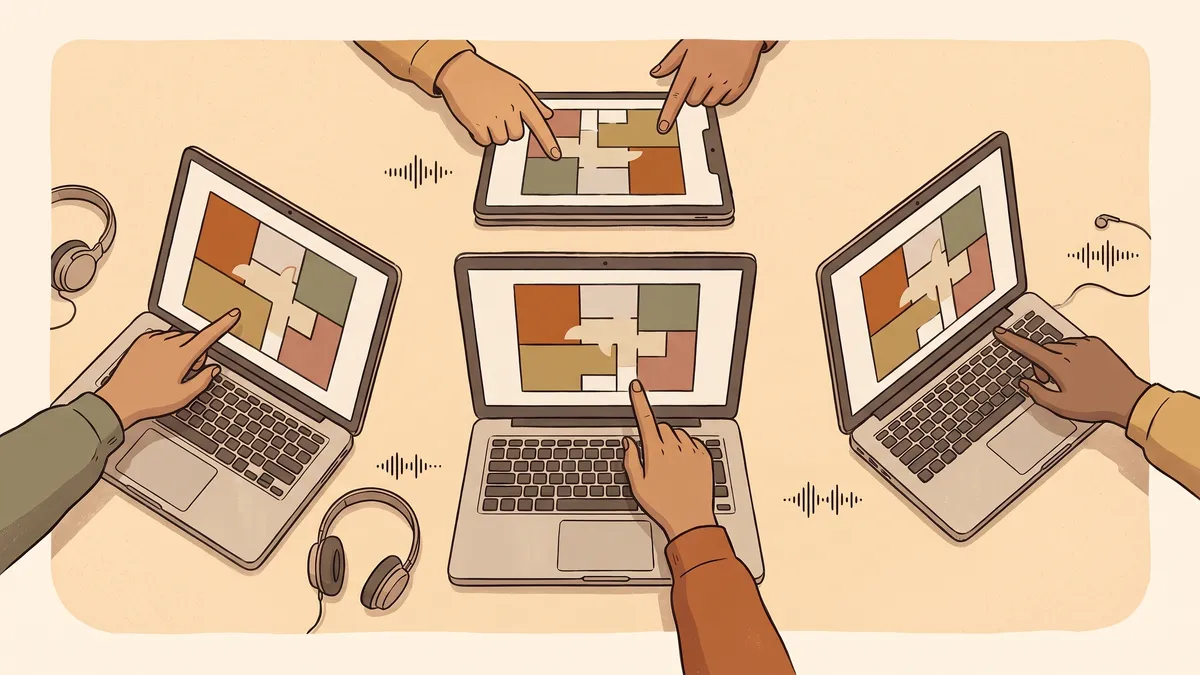
Here is the feature we would argue for hardest, and the one small businesses are least likely to know exists: a dashboard in the browser where the entire team can see and work the phones.
Open a tab and it is all there. Every call, answered or missed, with who called and when. Voicemails transcribed into text you can skim instead of dial into. Every text conversation as a running thread, and anyone on the team can read the history and send the reply, right from their keyboard.
That shared visibility quietly fixes a whole category of problems:
- “Did anyone call them back?” stops being a question you ask around the room. The log answers it.
- Coverage is automatic. When someone is out sick or on vacation, their conversations do not go dark; a teammate opens the same thread and picks up where it left off.
- New people inherit the history. The context of every customer conversation is in the system, not in a veteran’s memory.
- A lost or broken phone loses nothing. The number, the logs, and every thread are all still there in the browser.
For towns, one more benefit deserves its own sentence. When calls and texts happen on the town’s own number, there is a record in one place. Business conducted by text on personal phones is exactly the kind of thing that becomes a headache when a records request or a dispute shows up later.
Ring groups, so a call tries the whole front office instead of one desk. Business-hours schedules that route after-hours calls sensibly. A simple menu for towns (“press 2 for the clerk’s office”). Voicemail delivered to email. And no per-line wiring costs when you add a person: a new team member is an account, not an electrician visit.
We Set These Up
Phone systems are part of the everyday technology we look after for clients, alongside networks, backups, and the rest of managed IT. We help you pick a system that fits how you actually work, move your number over without downtime, set up the dashboard and the apps, sort out call routing and hours, and stay on it afterward so it keeps working. You end up with a phone bill that is usually smaller than the old one and a phone system that finally behaves like part of the business.
The phone setup that accumulated
- The business number is one person’s cell phone
- Texts from customers vanish or sit unseen in one pocket
- Nobody knows if the missed call ever got a call back
- Someone out sick means their conversations go dark
- When an employee leaves, their customer threads leave too
A phone system chosen on purpose
- One business number that rings desks, laptops, and cells together
- Texting on the main line, with photos and quick replies
- Every call, voicemail, and text logged in one browser dashboard
- Anyone on the team can see the thread and pick it up
- The history stays with the business, in writing
If your business phone is a bottleneck with a ringtone, get in touch. We will look at your current setup and put together a plan for a phone system your whole team can actually work from.