Guides for towns & government
Practical help for small Washington towns and local governments navigating technology.
The Invoice Looks Right. The Bank Account on It Is New.
The costliest scam going around doesn't steal a password or lock a file. It just asks you to send a payment somewhere new, and you do. Here's the one rule that stops it.

That Urgent Phone Call Is Probably a Scam Too
Scammers don't only email. They call, or leave a pop-up telling you to call them, pretending to be your software company, your bank, or the government. Here's how to tell, and the one habit that stops nearly all of it.
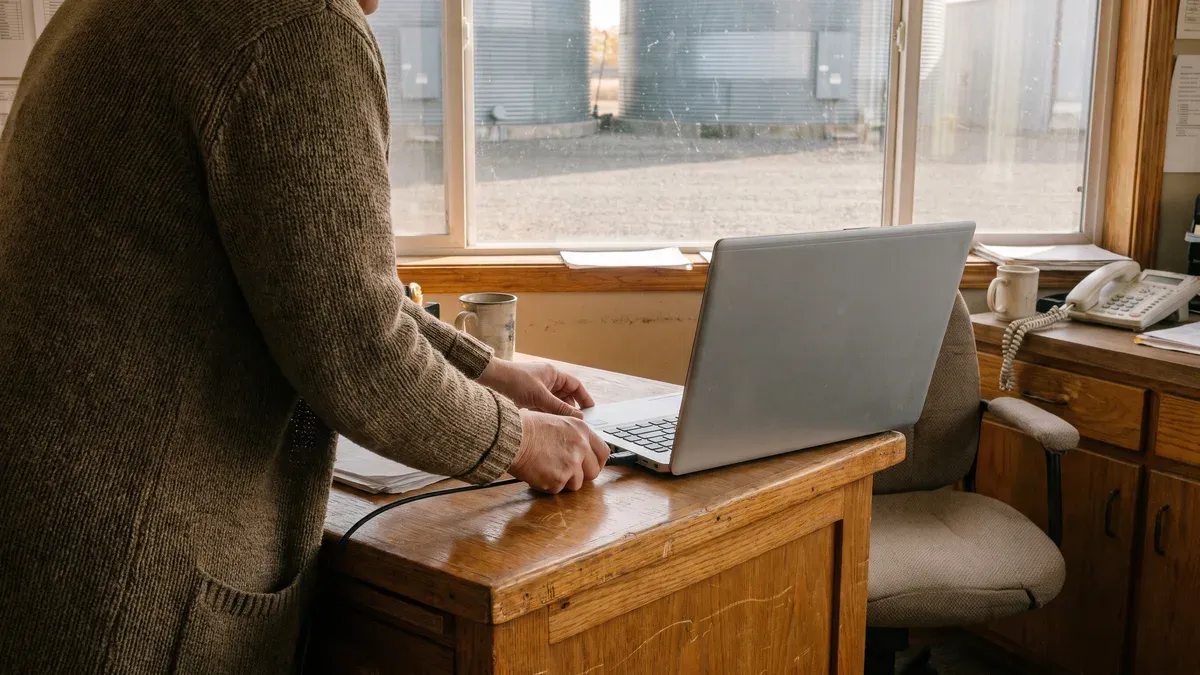
A New Hire Starts Monday. Is Their Technology Ready?
Most new hires spend their first morning waiting on logins, or get handed the keys to everything. A calmer way to set up a new person's technology, securely, from day one.
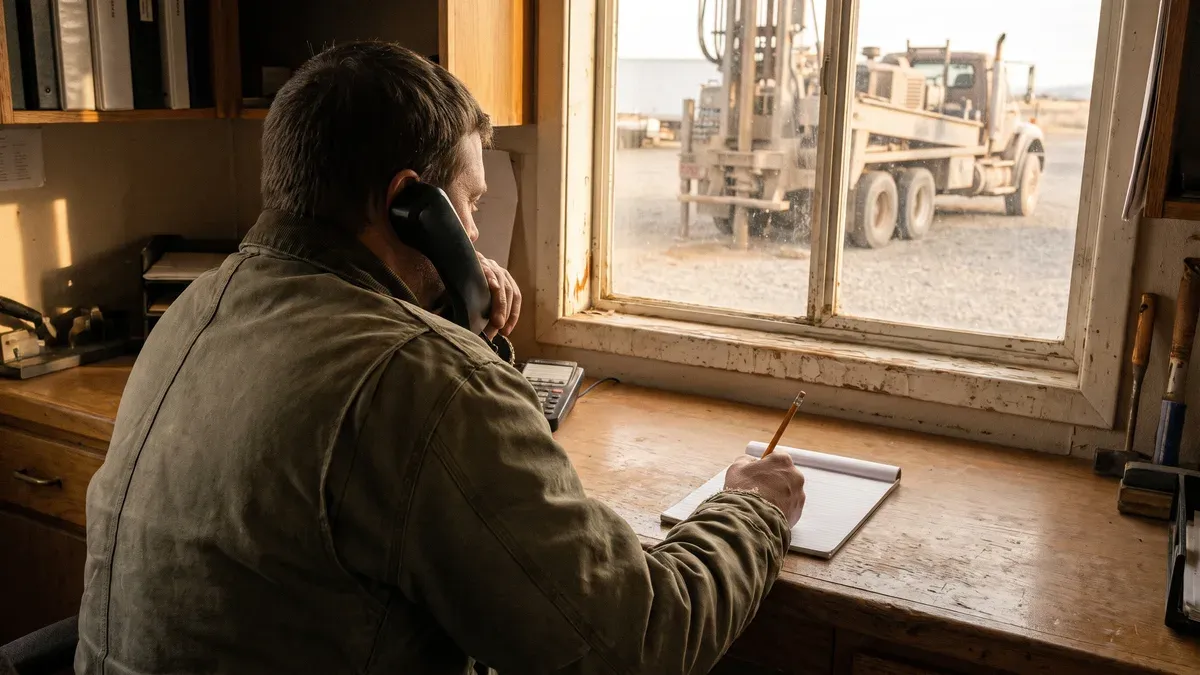
Nobody Should Need Three Calls to Book You
Plenty of bookings never happen because the back-and-forth of finding a time wears people out, and no-shows quietly waste the slots that do. Here is how booking can run itself, with a person still handling anything unusual.

A Laptop Left the Building. So Did Everything On It.
A missing laptop or phone doesn't have to become a lost week, or a breach. Here's how to make sure the one that goes astray is just hardware to replace, not a crisis.

Someone Wanted to Hire You. Nobody Wrote Back in Time.
The business that replies first usually wins, even when it isn't the best or the cheapest. Here's how to make sure a new inquiry never sits until the customer has already moved on.
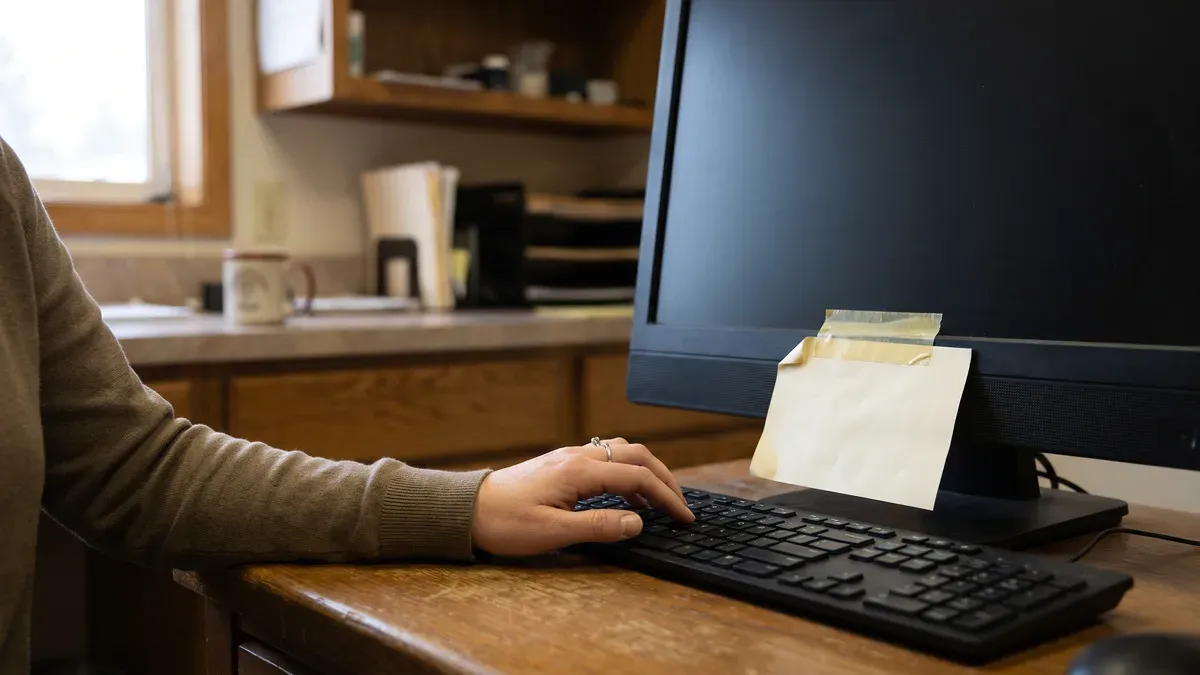
Everybody Knows the Password. That's the Problem.
Shared logins on sticky notes and in spreadsheets are how a lot of break-ins start. A password manager closes that door, and makes everyone's day a little easier too.
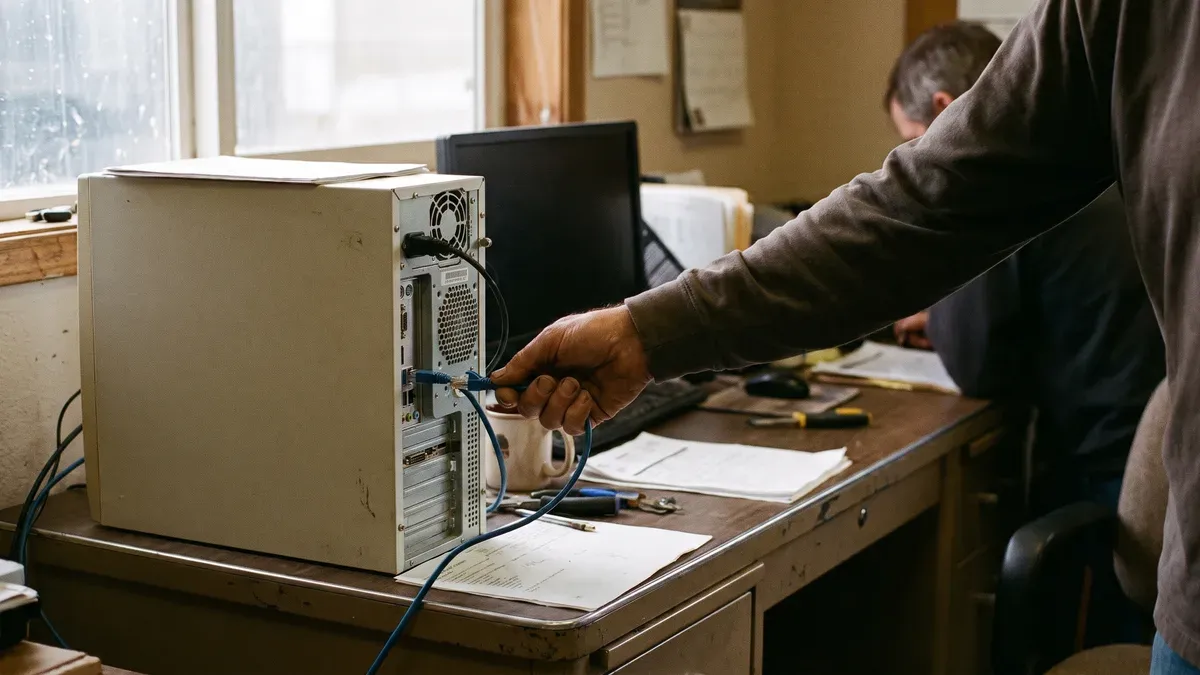
The Screen Says Your Files Are Locked and Someone Wants Money
Ransomware is the attack that locks up every file you have and demands payment to give it back. Here's how it gets in, what to do in the first hour, and what actually keeps it from ruining your week.

Everyone Has a Slightly Different Copy of the Same File
Files scattered across desktops, emailed back and forth, and nobody sure which copy is the real one. Here's where your business or town's files should actually live, and why it matters more than it looks.

It's Already Written Down. Someone Still Has to Type It In.
The invoices, forms, and receipts that stack up on a desk are full of information someone has to read and key in by hand. Here is how software can capture it for you, with a person still checking the result.

You Like the Idea of AI. You Just Don't Trust It Yet.
The worry isn't whether AI can do the work. It's whether you can trust it with your business. Here are the honest questions to ask before you let it near anything that matters.

A Customer Has a Question at 9 p.m. Your Website Says Nothing.
Most of what people ask is the same handful of questions, and a lot of them ask after you've closed. Here's how an assistant can answer from your own information, and hand you the rest.
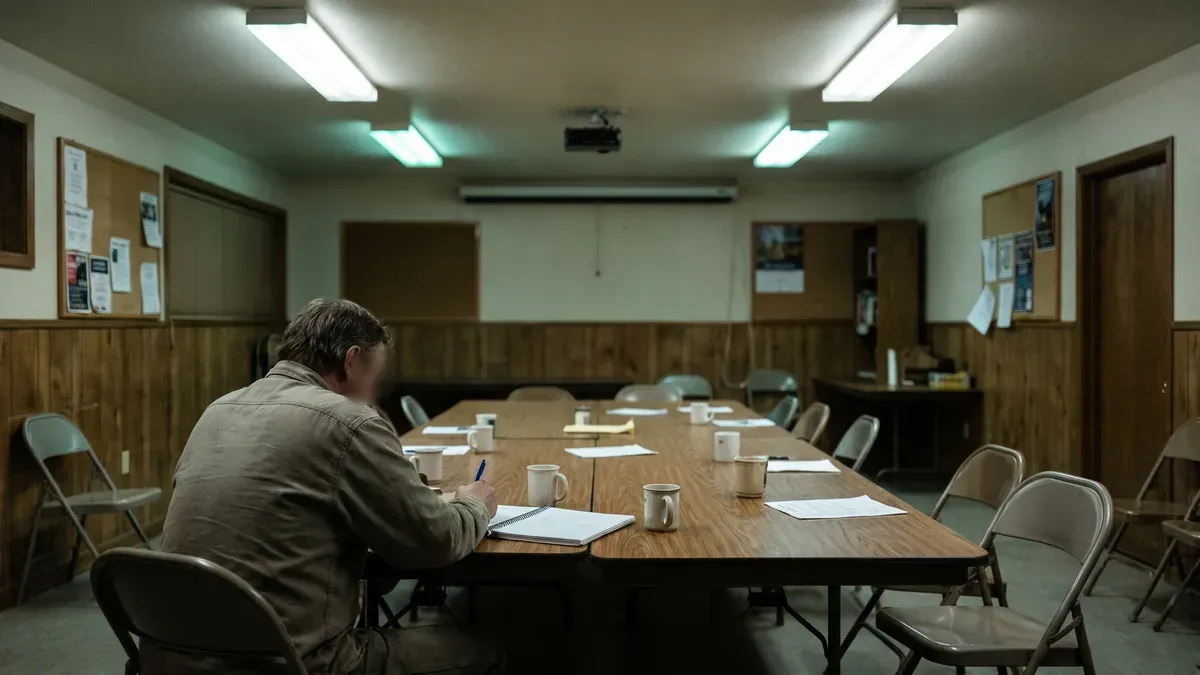
The Meeting Ended an Hour Ago. Someone Still Has to Write It Up.
The conversation already happened. Turning it into accurate minutes or clean notes is a second job. Here is how to hand off the typing without handing off the judgment.

How to Tell if That Email Is a Scam
Scam emails don't have typos anymore, and the logos are perfect. Here's how to actually tell the real thing from the fake, and what to do if you already clicked.

When Your Business Runs on Somebody's Cell Phone
Missed calls, texts nobody sees, one overloaded cell phone. What a modern phone system gives your business: texting, call history, and a shared team dashboard.
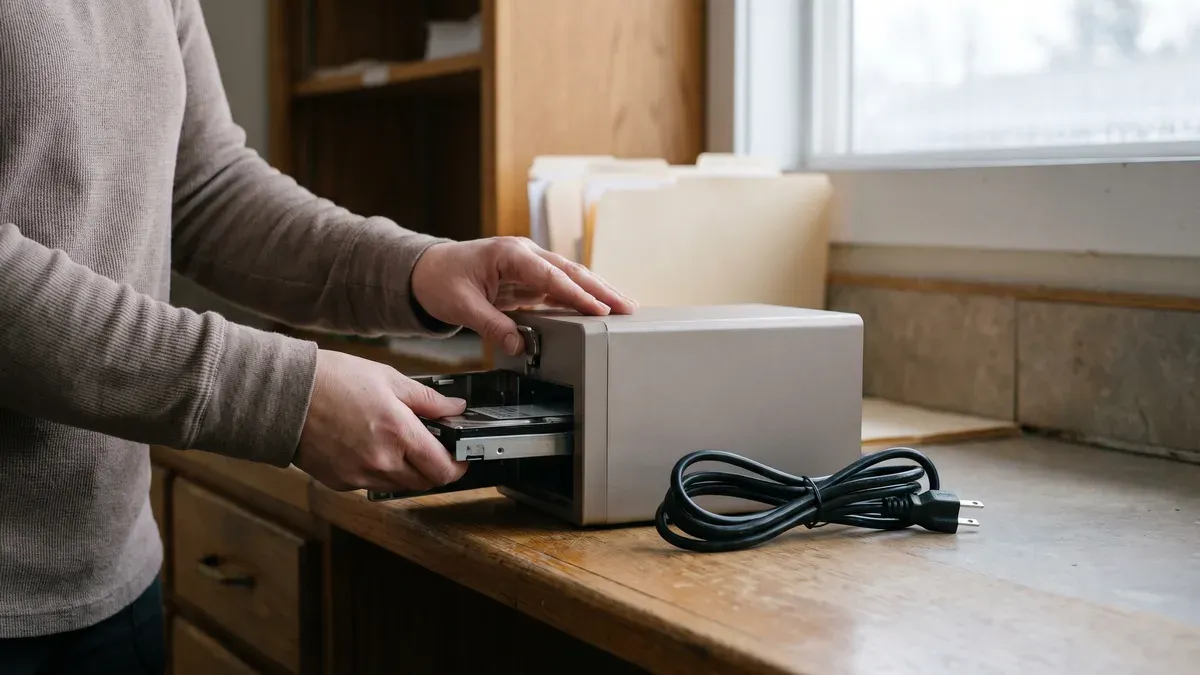
The Cybersecurity Checklist for Small Businesses and Towns
A practical checklist you can actually finish: accounts, email, devices, wifi, backups, and people, in plain language, with the highest-payoff items first.
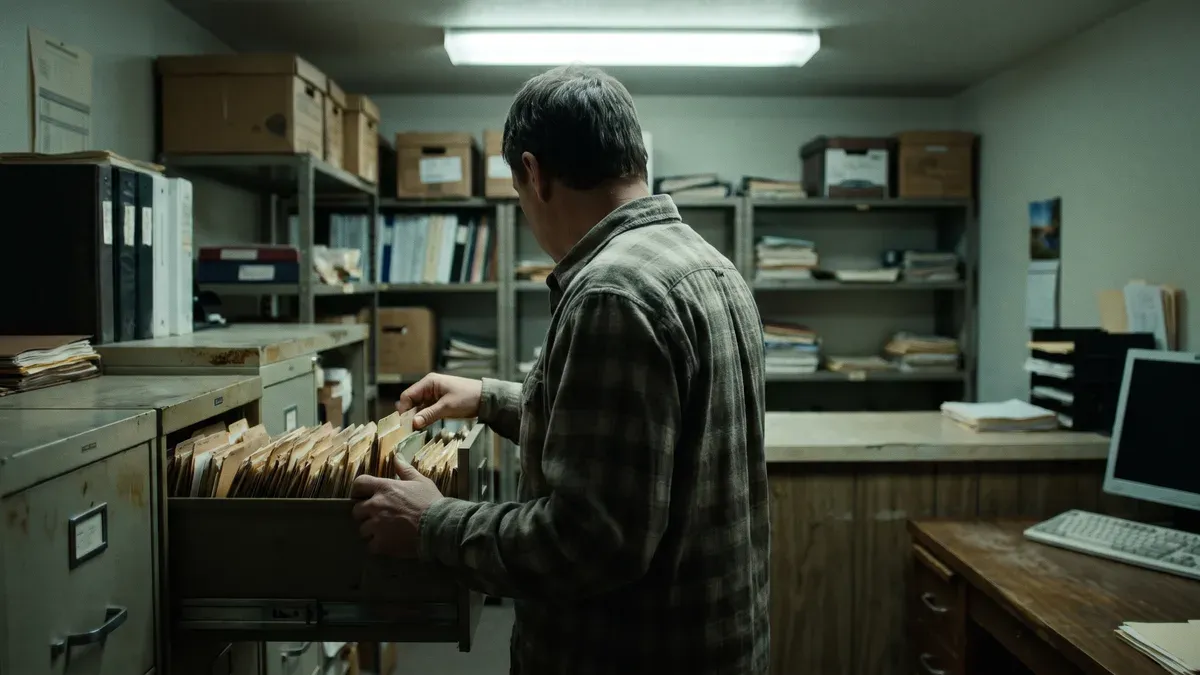
When the Answer Is Buried Somewhere in Your Files
The answer is usually already in your files, just hard to find. A private way to ask your own records and get it, without anything leaving your building.
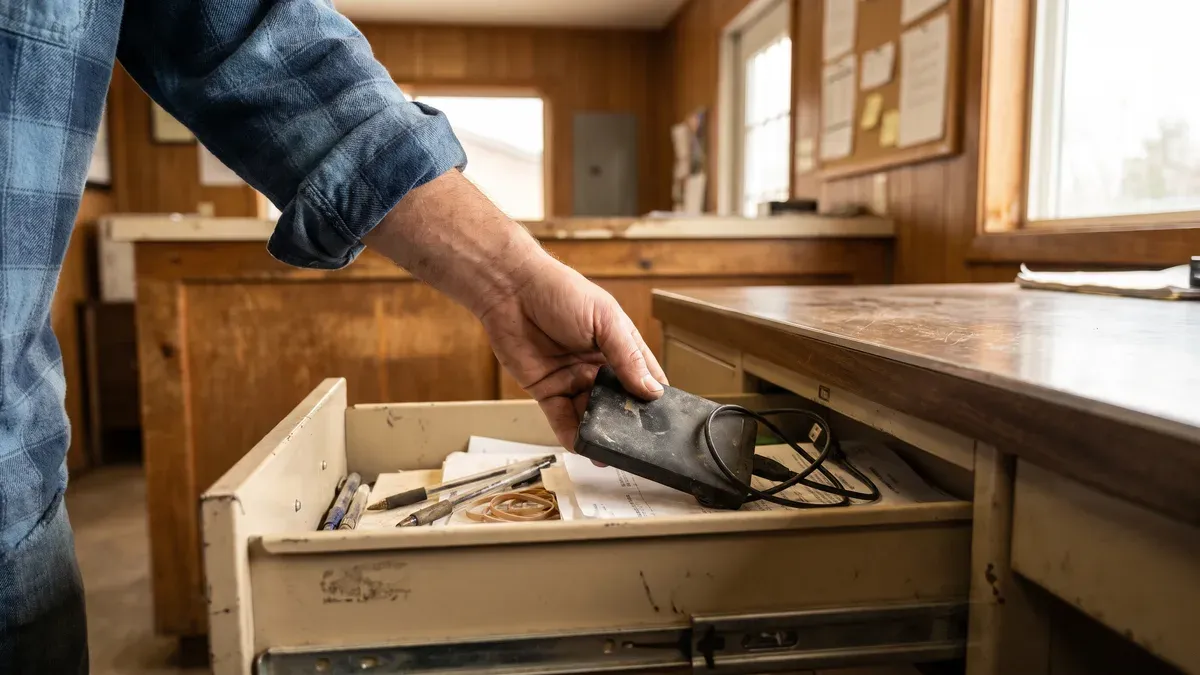
If You've Never Tested Your Backup, You Don't Have One
A single external drive or 'it's all in the cloud' is not a backup plan. Here is what a backup you can actually restore looks like, in plain English.

Making Your Town Website Actually Accessible (and Why It's Now Expected)
Accessibility is no longer optional for local government websites. Most of what matters is straightforward, and it makes your site better for everyone.
Taking Payments Online, Without the Headache
Letting people pay you online sounds complicated and risky. Done right, it is neither. Here is what it actually involves for a small business or town.

One Password Shouldn't Open Your Whole Business
When guests, staff computers, card readers, and cameras share one network, a single weak link reaches everything. Why separation matters and what it takes.

What to Ask Before You Let Anyone Build Your Website
Before you hire someone to build your website, a handful of plain questions will tell you whether you will own the result or end up renting it back.

When the One Person Who Knew the System Leaves
In many small businesses and towns, one person quietly holds all the logins and know-how. When they leave, it can leave with them. How to fix that first.

Why CivicPlus Is the Wrong Choice for Most Small Towns
CivicPlus was built for big agencies. For a small town it often means paying city prices for a box you fit into. Here is the honest case, and what works better.

Cyber Insurance for Small Towns: What Your Provider Now Expects
Insurers are raising the bar on cybersecurity for local governments. Here is what small Washington towns are now expected to have, and why.

Cybersecurity Basics Every Small Business and Town Should Have
You do not need an enterprise budget to be reasonably safe. Here are the practical safeguards that stop most common cyber incidents, in plain language.

Funding Technology Upgrades: A Guide to Grants for Washington Towns
Many small towns delay technology upgrades over cost. Grants can cover much of it. Here is how to think about funding the work.

How a Washington Town Can Get a New Website (Often Without a Formal Bid)
Many small Washington towns assume a new website means a long bidding process. For website and professional services, that is usually not the case.
Have a question we haven’t covered?
Tell us what you’re trying to figure out and we’ll give you a straight answer, from people who live and work right here.